Exploring Amlou and Argan Oil The Culinary Delights of Moroccan Cuisine
- adminsiteweb
- Apr 12
- 3 min read

Moroccan cuisine offers a rich variety of flavors and ingredients that reflect its diverse cultural heritage. Among these, amlou and argan oil stand out as unique culinary treasures. These two products, deeply rooted in Moroccan tradition, have gained international recognition for their taste, health benefits, and cultural significance. This article explores what amlou and argan oil are, how they are made, and how they enrich Moroccan dishes.
What Is Amlou?
Amlou is a traditional Moroccan spread made from three simple ingredients: argan oil, toasted almonds, and honey. It has a smooth, creamy texture and a rich, nutty flavor with a hint of sweetness. This spread is often enjoyed at breakfast or as a snack, typically served with bread or pancakes.
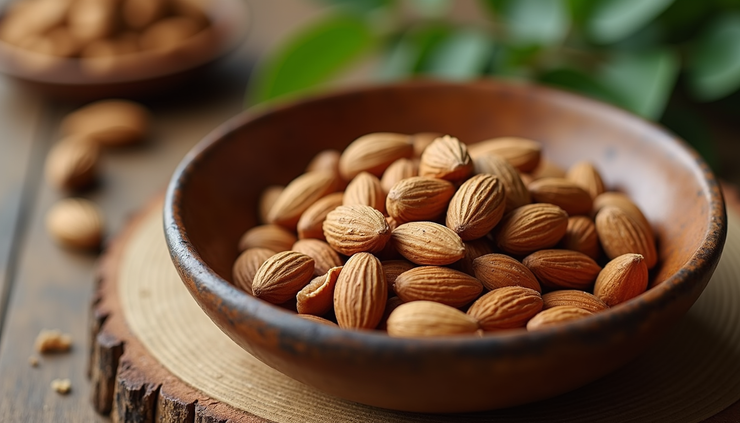
The preparation of amlou is an artisanal process. First, almonds are toasted to bring out their flavor, then ground into a fine paste. This paste is mixed with pure argan oil and natural honey, creating a balanced blend that is both nutritious and delicious. The result is a spread that is high in healthy fats, antioxidants, and vitamins.
The Importance of Argan Oil
Argan oil is the key ingredient in amlou and a prized product in Moroccan culture. Extracted from the kernels of the argan tree, which grows mainly in southwestern Morocco, argan oil has been used for centuries in cooking, cosmetics, and traditional medicine.
There are two types of argan oil: culinary and cosmetic. Culinary argan oil has a nutty flavor and is used as a finishing oil for salads, couscous, and tagines. It is rich in unsaturated fatty acids, vitamin E, and antioxidants, which contribute to heart health and skin vitality.
The production of argan oil is labor-intensive. Local Berber women traditionally harvest the argan nuts, dry them, crack the shells by hand, and press the kernels to extract the oil. This process supports local communities and preserves the environment.

Culinary Uses of Amlou and Argan Oil
Both amlou and argan oil add unique flavors and nutritional value to Moroccan dishes. Here are some popular ways to enjoy them:
Breakfast spread: Amlou is commonly spread on warm bread or traditional Moroccan msemen (flatbread). It pairs well with mint tea for a wholesome start to the day.
Dips and sauces: Amlou can be used as a dip for fresh fruits or vegetables, or mixed into yogurt for a creamy sauce.
Salad dressing: Argan oil’s nutty taste enhances salads, especially those with citrus fruits, olives, or roasted vegetables.
Finishing oil: Drizzling argan oil over cooked dishes like couscous, grilled fish, or roasted chicken adds depth and richness.
Using these ingredients in everyday cooking connects people to Moroccan heritage and supports sustainable agriculture.

Health Benefits and Cultural Significance
Amlou and argan oil are not only delicious but also offer health benefits. Argan oil contains antioxidants and healthy fats that may help reduce inflammation and improve heart health. The almonds in amlou provide protein, fiber, and essential nutrients.
Beyond nutrition, these products symbolize Moroccan craftsmanship and community. The argan tree is protected by UNESCO as a biosphere reserve, and the production of argan oil supports women’s cooperatives, empowering local economies.
How to Incorporate Amlou and Argan Oil Into Your Kitchen
If you want to experience Moroccan flavors at home, try these tips:
Buy authentic argan oil labeled for culinary use to ensure quality and flavor.
Use amlou as a natural sweetener alternative in recipes or as a topping for oatmeal and pancakes.
Experiment with argan oil in salad dressings or as a finishing touch on roasted vegetables.
Pair amlou with cheeses or nuts for a unique appetizer.
These simple steps bring a taste of Morocco to your table while enjoying the benefits of natural, wholesome ingredients.

Comments